Why this training
Modern workplaces are changing fast – hybrid work, shifting roles, and constant pressure to perform. Navigating them efficiently requires a great deal of skill and emotional maturity, as well as communication skills which allow for constructive conflict resolution. But most programs teaching these are not designed for how men actually think, learn, or are socialised. As a result, they can feel alien, moralising, or even subtly accusatory.
Our training offers a new perspective. It helps men build stress resilience, emotional regulation, and communication skills in ways that respect their experiences, not contradict them. Grounded in psychological research, virtue ethics, and studies of men and masculinity, it shows how thriving in today’s collaborative workplaces can be rooted in traditional male virtues such as discipline, courage, self-control, and strength. Instead of telling men to “be less like men,” it helps them use their existing strengths more wisely: to understand power, communicate clearly, and build trust while staying authentic.
What your company gains
- Healthier teams: reduced stress-related absences and stronger mental resilience
- Better communication: men who can manage pressure and talk before burnout hits
- Higher engagement and efficiency: fewer disengaged employees and better team cohesion
- Leadership growth: men who model balanced confidence and accountability
- Positive culture: cooperation across genders and generations, without ideology
A workplace where men feel respected, understood, and valued, and where everyone benefits from that balance.
What participants learn
1 |
Recognise early signs of burnout and intervene constructively; |
Interactive workshop focused on physiological recognition and regulation of own emotions |
2 |
Use traditional masculine virtues – discipline, courage, self-control, strength – to create stronger teams and a supportive company culture |
Case studies explaining the philosophical groundings of virtue and personal development |
3 |
Understand what men are conditioned to deal with conflicts in our society, and how to approach them more consciously |
Workshop on male psychology and physiology, and how culture affects them |
4 |
Understand power: when to lead, when to support, and how to use influence without creating conflict |
Exercise set involving role-swaps and perspective-taking tasks |
5 |
Communicate under pressure, resolve conflict, and build trust |
Scenario-based teamwork exercises |
6 |
How to thrive in changing workplace cultures while staying authentic and grounded |
Live interactions and role-play exercises |
Training structure and formats
Each format includes practical insights, reflection, and guided exercises.
Choose the version that best fits your organisation’s goals.
Available in English and in Polish.
Keynote / Interactive Presentation – 2 hours
An engaging, evidence-based analysis of men’s experience of stress and burnout, covering learning outcomes 1-4 and building an improvement plan. Includes live polls, brief reflections, and clear takeaways for personal and team wellbeing.
Ideal for: company events, leadership kick-offs, and wellbeing initiatives.
Max group size: 30 participants
Investment: from €1,200 + VAT
Half-Day Workshop – 4 hours
Covers learning outcomes 1-5, adding facilitated discussion and scenario-based teamwork. Participants explore how stress shows up in their specific context and develop concrete action points for communication and emotional regulation.
Ideal for: HR and leadership development programs.
Max group size: 12 participants
Investment: from €2,000 + VAT
Full-Day Workshop – 6-7 hours
Includes all of the above learning outcomes, adding immersive interactions. Through role-plays and group work, participants map their own “Virtues Compass,” identify triggers, and practice new communication and regulation strategies.
Ideal for: leadership retreats, team off-sites, or in-depth wellbeing training.
Max group size: 12 participants
Investment: from €3,500 + VAT
All workshops are based in research and intervention methods geared to male audiences and the tech business sector. Any of the above options can be expanded by rooting it more deeply in your specific company culture. Doing so will require prior meetings with your HR or management to allow us to better understand your needs. Price supplement negotiated on an individual basis.
Our Approach
This training combines:
- Psychology of stress and emotion regulation — evidence-based tools for resilience
- Virtue ethics — using philosophical wisdom to reinterpret men’s strengths
- Research on men and masculinity — understanding how upbringing, culture, and power shape male experience at work
It uses a non-ideological, practical approach: clear examples, structured self-reflection, and guided discussion.
All materials are designed for professionals who appreciate clarity, logic, and actionable insights.
Who it’s for
- Organisations committed to employee wellbeing and sustainable productivity
- Teams aiming to reduce stress-related absences and conflict
- HR and DEI teams seeking male-engagement programs that actually work
- Leadership teams aiming to strengthen trust, ownership, accountability, and resilience
About the course leader
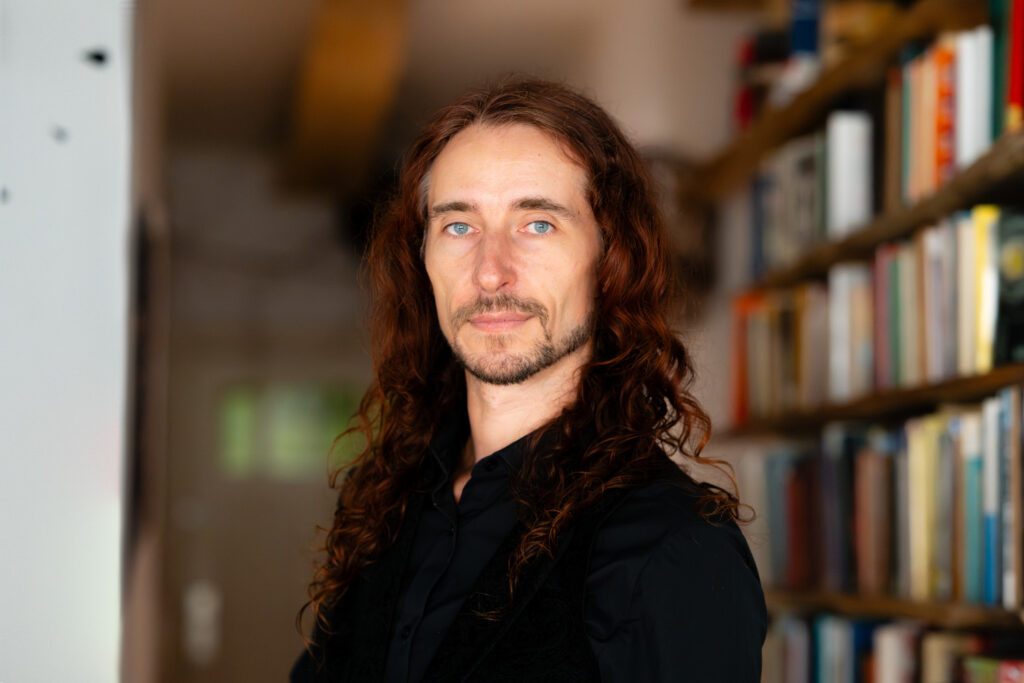
Dr Simon Fokt is an academic and consultant specialising in applied and professional ethics. He lectures in data ethics at HTW Berlin and has designed and led trainings in applied ethics, communication, and personal development for universities and businesses. As CEO of TELdesign Limited, he developed numerous online courses, focused on important applied virtues such as intellectual humility, responsible innovation, and value-sensitive design.
As a CEO of PathForge, member of MenEngage Europe and creator of The Man’s Compass framework, he works at the intersection of philosophy, psychology, and masculinity studies to develop positive, evidence-based approaches to men’s wellbeing in professional life.
Ready to strengthen your teams?
Contact us to discuss the right format for your organisation.
Customisation options include leadership-focused modules, mixed-gender versions, and company-specific adaptations.